Wugong Mountains Travel Guide | China’s Sea of Clouds, Cable Cars & Alpine Meadows
After exploring Changsha, we left the city behind and headed into the mountains of Jiangxi Province to discover Wugong Mountains—an area famous for alpine meadows, dramatic ridgelines and its spectacular “sea of clouds.”
We travelled by high-speed train from Changsha to Pingxiang North, then continued by DiDi to our hotel near the Wugong Mountains entrance. We stayed at a brand-new voco property, explored the area around the mountain base, and spent a full day riding cable cars, climbing endless stairs and walking along mist-covered mountain paths.
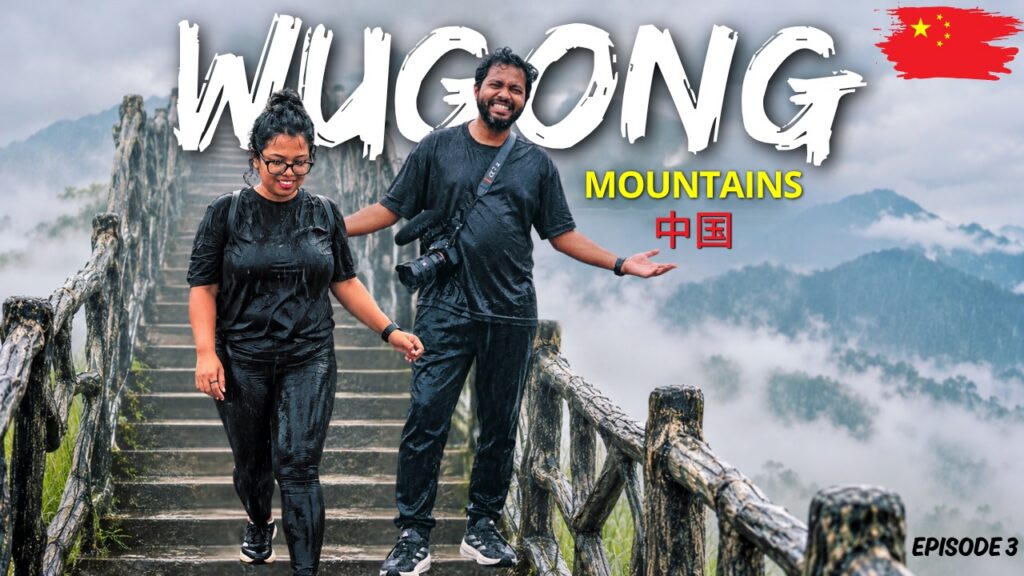
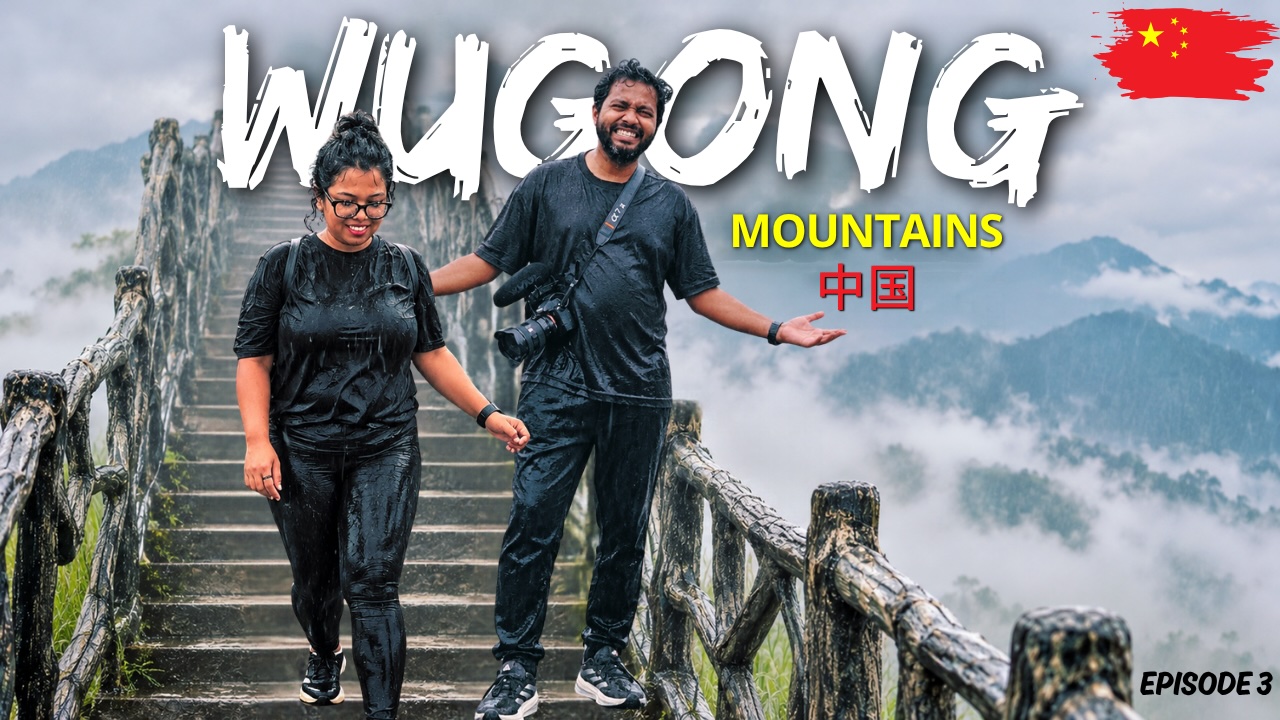
The weather didn't give us the clear panoramic views we had hoped for. Instead, we found ourselves hiking through dense fog and rain at almost 1,900 metres above sea level. It wasn't the picture-perfect mountain day we imagined, but it was still an unforgettable adventure.
🚄 Travelling from Changsha to Wugong Mountains
Wugong Mountains was our next stop after Changsha, and getting there involved a high-speed train followed by a road transfer. We checked out of our hotel in Changsha, took a DiDi to the railway station and looked for the best train connection to the mountains.
The railway station was enormous—more like an airport than a typical train station. Before boarding, we stopped for a bowl of warm, spicy, soupy noodles. It was a comforting meal before the journey, and all three of us enjoyed it.
We booked second-class tickets through Trip.com for approximately CAD $12 per person, including the booking fee. Our train left at around 2:28 p.m. and reached Pingxiang North (Pingxiang Bei) after a journey of approximately 27 minutes, with one stop.
The train was clean, stable and spacious, with convenient places to keep luggage. One useful tip for travelling by train in China: when your booking is linked to your passport, you can generally use your passport at the station's electronic gates instead of collecting a paper ticket. Follow the instructions shown for your specific booking and station.
From Pingxiang North, we took a DiDi ride to our hotel near Wugong Mountains. The drive took around 1.5 hours. Having a ride-hailing service accept a longer journey like this made the transfer much easier.
🏨 Staying at voco near Wugong Mountains
We stayed at a very new voco hotel by IHG, close to the Wugong Mountains entrance. The property looked as though it had only recently opened, and everything felt fresh and clean. The surrounding area was wonderfully green, with mountain views and clouds moving across the hills.
Our room had a king-size bed, two bedside tables with convenient controls, a separate shower, a rainfall showerhead, robes and slippers, a full-length mirror, a pantry area, a mini fridge, a TV, a couch and a table. The highlight was the large balcony overlooking the resort.
We stayed for two nights using 7,500 IHG points per night. During our visit, the cash rate was approximately US$55 per night. Thanks to our friend Mike's IHG status, we also expected to receive breakfast benefits during the stay.
After checking in, we headed to a local restaurant near the hotel to try the food and enjoy the mountain surroundings before our big day out.
☕ Getting Ready for the Mountain
The next morning, we had breakfast and prepared to visit Wugong Mountains. The entrance was about a 15-minute walk from our hotel, making it convenient to start early without arranging another transfer.
But first, we needed coffee. We stopped at Luckin Coffee, a familiar chain in China, hoping that a little caffeine—and a little luck—would bring us clear skies above the clouds.
🎟️ Wugong Mountains Tickets & Cable Cars
Working out the tickets was a little confusing because entry and the cable cars were separate parts of the journey. During our visit, the mountain entry ticket combined with the first cable car cost 135 CNY per person. A free shuttle bus took visitors towards the cable car area, although hiking instead was also an option.
There are multiple sections to the ascent. After the first cable car, you still need to walk uphill and climb a considerable number of stairs to reach the next cable car. The second cable car cost us 35 CNY per person to go up.
On the way down, we paid 25 CNY per person for the first cable-car section, then continued along the route to reach the next cable car. Ticket combinations and prices can change, so check the current official ticket options before your visit.
Our tip: Don't assume the cable cars take you all the way to the summit. Even after using them, there is a substantial amount of uphill walking and stair climbing.
🥾 Climbing Wugong Mountains: Stairs, Steep Paths & High Altitude
The mountain was beautiful from the moment we started ascending, but the walk was more demanding than we expected. We were still climbing stairs and following steep paths after taking the first cable car.
At one point, we were around 1,400 metres above sea level. The combination of altitude, slippery paths and our less-than-perfect fitness made the climb tiring. There were places to pause and rest, but the stairs seemed never-ending.
We continued towards the second cable car, known locally as the Jinding cableway route, and then climbed even higher. After the second cable car, more stairs and walking were waiting for us.
The trail reached around 1,788 metres, and later we made our way towards Jinding, or Golden Summit. The summit area is one of the highlights of Wugong Mountains, but on our visit, thick fog and rain obscured much of the surrounding scenery.
☁️ The Famous Sea of Clouds—Hidden by Fog
Wugong Mountains is known for its vast alpine grasslands, high ridgelines and the chance to see a “sea of clouds,” where mountain peaks appear to float above a blanket of cloud. The highest peaks reach roughly 1,900 metres, and the elevated meadows are a big part of what makes this mountain range distinctive.
Unfortunately, the weather didn't cooperate for us. We walked along ridges surrounded by dense fog, sometimes seeing only a short distance ahead. We could imagine how spectacular the views might be on a clear day, but we couldn't see the postcard-perfect panorama we had expected.
In places, walking through the mist felt like being surrounded by the spray and clouds near a huge waterfall—except we were high up in the mountains. It was wet, slippery and tiring, but also atmospheric in its own way.
There are several viewpoints along the route. Because visibility was so limited, we continued from point to point rather than spending long periods waiting at each viewpoint.
🏕️ Can You Camp at Wugong Mountains?
Yes, camping is one of the experiences associated with Wugong Mountains. During our visit, we saw tents already set up on the mountain, so visitors don't necessarily need to carry their own tent if they book an available camping package.
We heard that camping could be booked through travel platforms, but availability, facilities and booking arrangements can change. If staying overnight on the mountain is part of your plan, confirm the current options, weather conditions and what is included before booking.
🌧️ Reaching Golden Summit in the Rain
After climbing for much of the day, we finally reached the Golden Summit area. Despite seeing few people along some sections of the trail, the summit was busy, with plenty of visitors arriving to enjoy the mountain.
It was raining, and the fog still limited visibility. We had hoped to see the famous sea of clouds and sweeping views, but instead we got a challenging mountain day with wet stairs, misty ridges and tired legs.
The descent was another workout. We retraced much of the route, used the cable cars where possible and continued walking between the different sections. By the time we were heading down, our legs were exhausted.
🌄 The View Finally Clears
One of the best moments came during the ride down. The fog began to clear, revealing more of the mountain scenery. The landscape looked mystical, almost like the floating mountains from Avatar.
After a full day of walking, climbing and getting drenched, we couldn't wait to return to the hotel for a hot shower. Our activity tracker showed that we'd climbed the equivalent of more than 100 flights of stairs. Our knees and legs were definitely feeling it.
We had a hot shower and ate at the hotel because none of us had the energy to head back out and explore the area. Sometimes, after a big adventure, a quiet evening is exactly what you need.
✨ Is Wugong Mountains Worth Visiting?
We had imagined clear skies, dramatic mountain peaks and a perfect sea of clouds. Instead, we spent much of the day hiking through fog and rain. We didn't get the views we had travelled for, but the experience was still memorable.
Wugong Mountains felt very different from China's major cities. We saw very few international visitors in the area, and the combination of alpine meadows, mountain trails, cable cars and local life made this stop feel like a different side of the country.
We'd recommend Wugong Mountains to travellers who enjoy nature and don't mind a physically demanding day. Just be realistic about the weather, prepare for lots of stairs and give yourself enough time to enjoy the mountain without rushing.
🧭 Our Wugong Mountains Travel Tips
- 🚄 Take a high-speed train from Changsha to Pingxiang North, then arrange a road transfer to the Wugong Mountains area.
- 📱 We booked our train through Trip.com; during our trip, the second-class fare was approximately CAD $12 per person including the booking fee.
- 🚗 Our DiDi transfer from Pingxiang North took around 1.5 hours.
- 🏨 Our voco hotel was about a 15-minute walk from the mountain entrance.
- ⭐ We used 7,500 IHG points per night for our two-night stay; the cash rate we saw was around US$55 per night.
- ☕ Get coffee before starting the ascent if you need it—the Luckin Coffee stop was part of our morning routine.
- 🎟️ During our visit, entry plus the first cable car cost 135 CNY per person; the second cable car up cost 35 CNY per person.
- 🥾 Expect many stairs and steep, potentially slippery paths even if you use the cable cars.
- 🌦️ Check the forecast carefully. Fog, rain and poor visibility can hide the views the mountains are famous for.
- 🧥 Bring layers and waterproof clothing, and wear shoes with good grip.
- 🏕️ If you want to camp, confirm the current tent availability, facilities, weather and booking terms before you go.
- 💧 Carry water and allow time for breaks; the climb can be tiring, particularly at altitude.
💰 Our Wugong Mountains Costs & Prices
- 🚄 High-speed train Changsha → Pingxiang North: Approximately CAD $12 per person, including Trip.com booking fee
- 🚗 DiDi transfer from Pingxiang North: Approximately 1.5 hours; fare not recorded in our notes
- 🏨 voco hotel: 7,500 IHG points per night or approximately US$55 per night at the cash rate we saw
- 🎟️ Mountain entry + first cable car: 135 CNY per person
- 🚠 Second cable car up: 35 CNY per person
- 🚠 First cable-car section on the way down: 25 CNY per person
- 🚌 Shuttle bus towards the cable car: Free during our visit
Prices reflect our experience and may vary with season, availability, exchange rates, booking platform and ticket type. We haven't included a DiDi fare because we did not record the amount in the video script.
🎥 Watch Our Wugong Mountains Adventure
Wugong Mountains was a reminder that travel doesn't always go exactly as planned. We didn't get the clear mountain views we had hoped for, but we got a memorable journey by high-speed train, a comfortable stay near the mountain entrance, a challenging climb through mist and rain, and a glimpse of the landscape as the fog finally began to lift.
If you visit, we hope you get the clear skies and sea of clouds that we missed—but even in the fog, Wugong Mountains gave us an adventure to remember.
This was another stop in our China journey. Subscribe to Follow The Imprints and follow along as we continue exploring the country. 🌎✈️
❓ Frequently Asked Questions About Wugong Mountains
Where are Wugong Mountains?
Wugong Mountains are in Jiangxi Province, China. We travelled from Changsha to Pingxiang North by high-speed train and then continued by road.
How do you get from Changsha to Wugong Mountains?
We took a high-speed train from Changsha to Pingxiang North, a journey of about 27 minutes, and then a DiDi ride of around 1.5 hours to our hotel near the mountain entrance.
How much does the Wugong Mountains ticket cost?
During our visit, mountain entry plus the first cable car cost 135 CNY per person. The second cable car up cost 35 CNY per person. Prices and ticket combinations may change.
Do you still need to walk if you take the cable cars?
Yes. The cable cars shorten parts of the ascent, but there are still many stairs and steep walking sections between the cable-car stations and the summit area.
How high is Wugong Mountains?
We reached the Golden Summit area at around 1,900 metres above sea level. The high-altitude alpine grasslands and mountain ridges are among the area's distinctive features.
Can you see a sea of clouds at Wugong Mountains?
Wugong Mountains is known for its sea-of-clouds scenery, but visibility depends on weather conditions. During our visit, dense fog and rain obscured most of the panoramic views.
Can you camp at Wugong Mountains?
Camping is available in the area, and we saw tents set up on the mountain. Confirm current availability, facilities, weather and booking requirements before planning an overnight stay.
Where did you stay near Wugong Mountains?
We stayed at a new voco property by IHG near the mountain entrance. We paid 7,500 IHG points per night, and the cash rate we saw was approximately US$55 per night.
Is Wugong Mountains suitable for beginners?
The route we took involved steep paths, many stairs and substantial walking even with cable cars. Travellers should consider their fitness, footwear, weather conditions and comfort with long climbs before visiting.
What should you wear to Wugong Mountains?
Wear comfortable shoes with good grip and bring waterproof clothing and layers. The weather can change, and rain or fog can make the paths slippery and the mountain feel colder.